
Market Snapshot
Indonesia is the world’s fourth most populous country with 280+ million people, and set to increase by a further 50+ million by 2050. Classified as a youthful demographic of which 3.7 million are between the ages of 15 – 19 (higher education consideration stage), the largest economy in Southeast Asia holds a rapidly growing middle class with an increased disposable income (over 200,000+ individuals with a net worth exceeding 1M USD).
The demand for high quality education outpaces local supply. A highly regarded grouping of research orientated state universities (some of which have global reputations) are lead positioned in terms of education output yet are heavily oversubscribed, particularly at undergraduate level. The sector is also strongly represented by private universities, a number of which sit at the forefront (often part of larger groups or conglomerates); attracting an internationally minded, affluent demographic.

Driven by government aspirations to become one of the world’s top 5 global economies in the next 20 years, Indonesia acknowledges current workforce skill-gaps which will hinder economic development if left unaddressed. Recognising the positive impact to which globally leading foreign higher education institutions (FHEI’s) may have on the education system, a 2021 regulatory change now permits the establishment of FHEI’s in Indonesia.
IBC-PM is at the forefront supporting FHEI’s who seek independent branch campus establishment or a de-risk joint-venture approach. IBC-PM is working with leading Indonesian HEI’s and education investment groups to utilize their existing resource base to implement international campuses in partnership with globally leading universities.
Policy & Regulation
In 2021, the Indonesian government implemented significant policy reform to entice globally recognised universities to establish IBCs in Indonesia. The policy correlates with Indonesia’s national transformation strategy to build superior human resources as the country strives to achieve the vision of “Golden Indonesia 2045. The realignment of higher education fostering international academic standards to meet growing industrial needs through science, technology, engineering and mathematics is central to the governments mission and further ensures any university meeting eligibility requirements and excelling in these fields will find an accommodating regulatory environment when establishing a presence in Indonesia.
Universities must feature as ‘Top 200’ globally to establish an IBC presence in Indonesia or be ‘Top 200’ in the subject area to be offered. The QS & THE league tables are approved indicators (further ranking indicators may be reviewed on a case by case basis). Universities that do not feature within the ‘Top 200’ have been known to receive IBC approval in Indonesia, where a valid business case justifies the advantage to the Indonesian economy. Despite a robust regulatory framework, the application process remains complex and requires significant planning related to due diligence, engagement with local legal counsel and alignment with evolving education policy direction. Thorough planning and compliance with several administrative, academic, and operational standards must be navigated before receiving approval.
IBCs in Indonesia are free to offer a full spectrum of programme provision ranging from foundation to doctoral studies and may be located throughout Indonesia. Depending on the IBC programme provision and target student market, universities may wish to consider locating in one of Indonesia’s 4 designated Special Economic Zones (SEZ’s) licenced for educational purposes and permitted to accommodate 100% foreign ownership of IBCs. Benefits of establishing within an SEZ include streamlined approval processes, tax holidays and eased faculty work permits.
IBC-PM is in a position to advise on the IBC licence application process leading to approval and further determine if a designated SEZ or alternative Indonesian location is most suitable.
Regulatory Environment
While Indonesia’s regulatory framework is increasingly open to international partnerships, it remains complex and requires significant due diligence, engagement with local legal counsel, and alignment with evolving education policy direction. Thorough planning and compliance with several administrative, academic, and operational standards must be navigated. Any university meeting eligibility requirements will find a particularly accommodating regulatory environment within an SEZ (lesser so outside of an SEZ) – requiring lengthier approval times and accompanying submission detail. While a non-SEZ IBC base such as Jakarta or Surabaya may be perceived favourable initially given a present captive student market, SEZ’s should be factored given projected growth and governmental support as below.
Considerations for an Indonesian IBC
Must rank in the top 200 globally (QS, THE, ARWU)
Prioritize STEM fields but may also offer other programmes based on national needs.
Commitment to cooperate with other Indonesian HEIs in implementing the Tridharma (teaching, research, community service).
Priority for Indonesian lecturers and admin staff (foreign nationals still permitted).
IBC Models
Several IBC models have been implemented in Indonesia as below:
IBC with 100% Independent University Investment
The establishment of an overseas branch campus with complete financial investment, management oversight and academic direction and control by the foreign university.
IBC Joint Venture (Financial / Infrastructure risk offset)
The establishment of an overseas branch campus with complete or partial Indonesian investment or external private equity group investment. Academic direction and control are retained by the foreign university, with management and operations mutually agreed.
IBC (Multi-Institution)
The establishment of an overseas branch campus eco-system delivered through a consortium of universities. Financial offset given the collective approach; academic direction and control are retained by the foreign universities, with management and operations mutually agreed.
Government Funding
Government funding and support for IBC’s exists through the Lembaga Pengelola Dana Pendidikan (LPDP) scholarship program. Managed by the Ministry of Finance in close coordination with the Ministry of Education, Culture, Research, and Technology (Kemdikbudristek) and the Ministry of Religious Affairs (Kemenag), the endowment fund was established in 2012 as a strategic instrument to strengthen Indonesia’s human capital development.
Formed to support postgraduate studies at both highly regarded Indonesian universities and universities overseas (Masters & PhD’s), the government supported new policy in 2022 now permitting IBC’s to be receive fully funded LPDP students. Priority fields include:
Location and Infrastructure
When assessing potential locations for IBC’s in Indonesia, it’s essential to distinguish between the demand dynamics of Java and the rest of Indonesia. Java is the world’s most populous island and Indonesia’ most economically advanced. Major urban centres, notably Jakarta City (10.7m), Surabaya (3m), Bandung (2.5m) and BSD City (450k) already house international branch campuses. Heightened levels of English proficiency, disposable income and interest in international qualifications merit attention for potential IBC providers.
Mature education ecosystems within these cities provide IBC foundation or year 1 feeders via gifted national and international schools, while highly regarded public HEI’s can provide advanced entry pathways to boost recruitment, access to existing facilities (reducing financial exposure) or collaborate as a local curriculum delivery partner for mandatory Indonesian modules. Strong industrial and corporate ecosystems are equally present, ensuring the bridges to industry can be forged. The concentration of education investment groups and private providers in these regions will also cater to universities more inclined to establish joint-venture branch campus partnerships.
The exception to the “Java focus”, is Bali. A haven for both expatriate and Indonesian families attracted by its vibrant lifestyle, it’s in a category of its own. The island has a strong concentration of international schools, and factors such as climate, safety and entertainment position Bali as the most likely destination in Indonesia to attract international students for studies at an IBC. Favourable IBC conditions may be presented over time in alternative Java based cities such as Yogyakarta, Malang and Semarang, and beyond Java (cities such as Makassar, Medan, and Balikpapan); however, market intelligence indicates that the IBC feasibility in such locations will be heavily reliant on government support.
IBC Project management offers services in identifying the “best-fit” campus location. Our location analysis indicates the most viable locality based on the IBC project plan (SEZ and non-SEZ). We further provide lease support services, identifying available land for build and infrastructure for rent, further advising on local market rates and contracts.
Established IBC’s
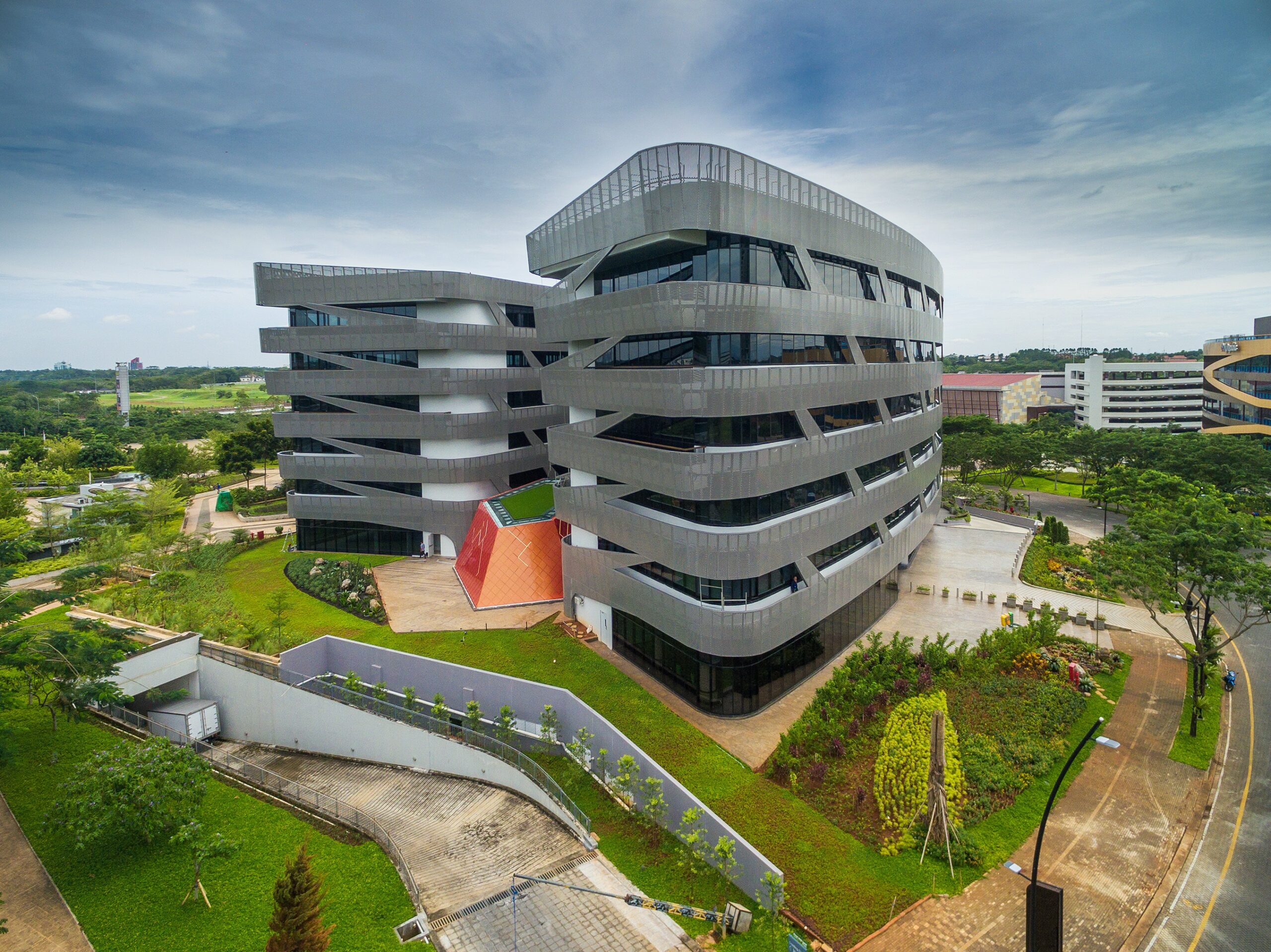
Monash University
• Established: 2021
• Location: BSD City (SEZ)
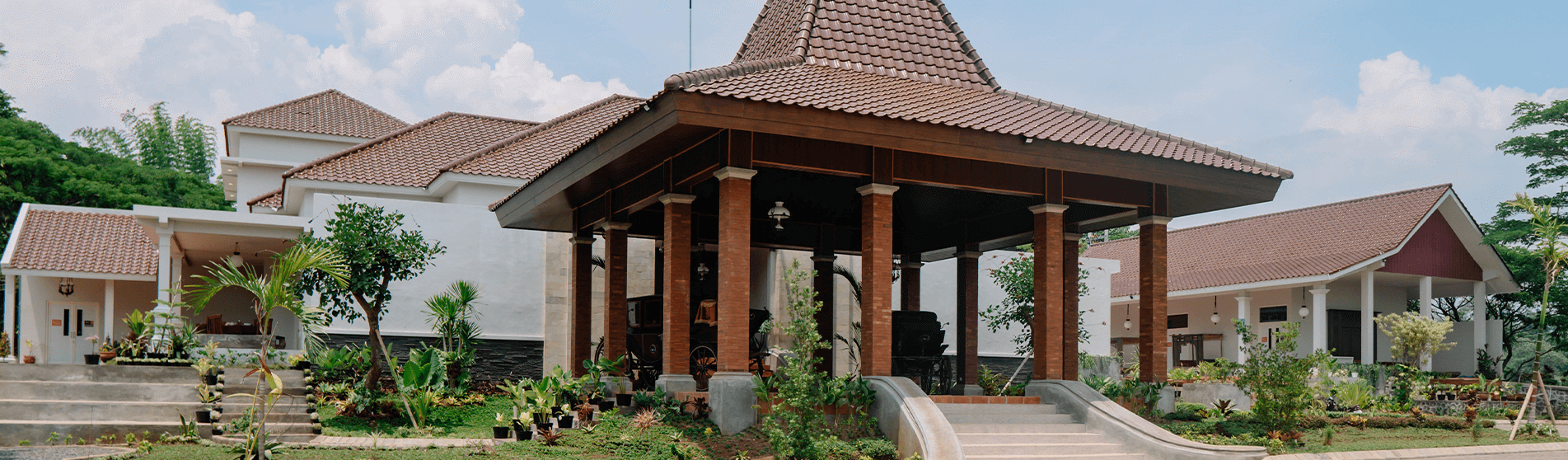
King’s College London
• Established: 2024
• Location: Malang (SEZ)
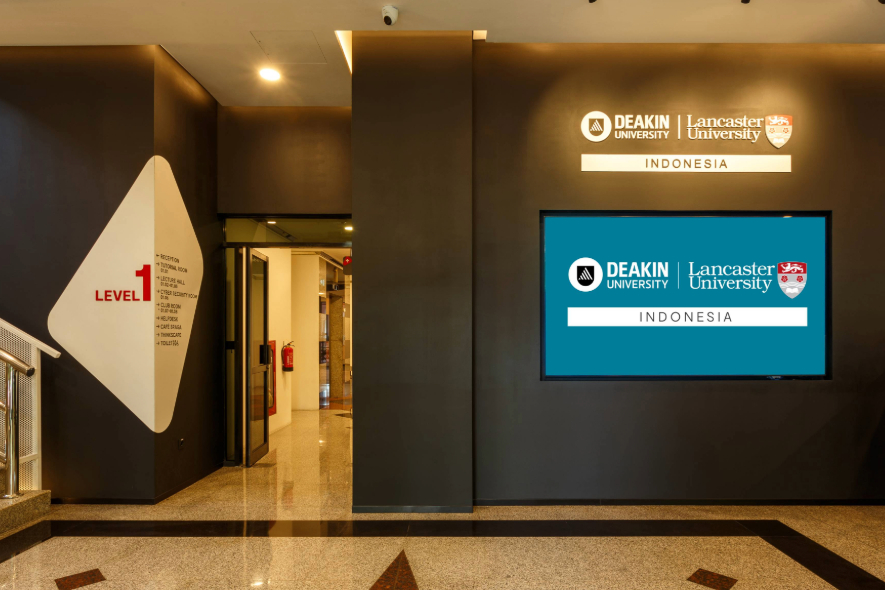
Deakin University & Lancaster University
• Established: 2024
• Location: Bandung
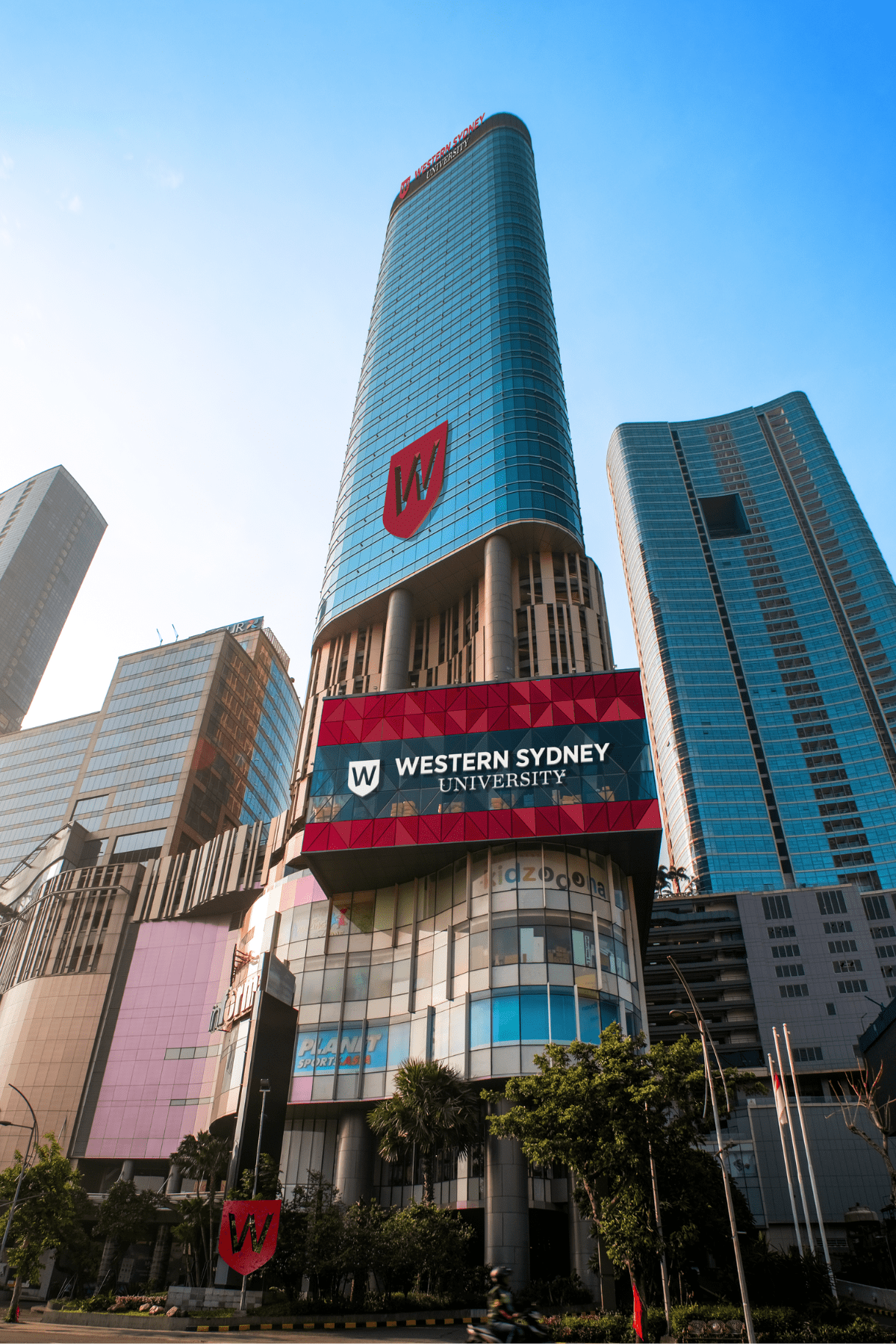
Western Sydney University
• Established: 2025
• Location: Surabaya

Georgetown University
• Established: 2025
• Location: Jakarta